A new Refreshing Journey By way of Time: The Interesting Evolution of Tonic Water in Mixology
The world of mixology is experiencing some sort of renaissance. Classic cocktails are returning in order to the spotlight, plus traditional ingredients are usually being celebrated from the beginning. Among them, tonic water has not really only stood the particular test of time but has evolved into a key gamer in the fine art of crafting excellent beverages. This blog page post dives into the rich good tonic water, tracing its origins, its role in dealing with diseases, and their devote modern mixology. Expect to uncover a few fascinating facts, useful tips, and insights into the future of this particular iconic beverage. Cocktail Ingredients of Tonic Water Well before that became the necessary companion to gin, tonic water had a surprisingly medicinal beginning. The storyline begins with the finding of quinine, a new compound derived from the bark involving the cinchona tree. This tree, indigenous to South usa, was known to local people for it is fever-reducing properties. In the 17th century, quinine became a new valuable export in order to Europe, where it had been primarily used in order to treat malaria. The bitter taste of quinine, however, presented an issue. To create it more palatable, British officers throughout colonial India began mixing quinine using soda water, sugars, and a splash of lime. Hence, the first version of tonic water was born, merging health benefits with some sort of refreshing flavor. This rudimentary tonic normal water was a considerably cry from the particular effervescent beverage we know today. Nevertheless, its origins inside medicinal use arranged the stage for its evolution into a beloved mixer. Wedding of necessity and even innovation laid typically the groundwork for tonic water's enduring legacy. Tonic Water inside the 19th and twentieth Centuries The 19th century saw the formal introduction of tonic water even as recognize it. In 1858, Erasmus Bond, a British chemist, patented the first commercial tonic normal water. This innovation not really only helped in the fight against malaria but in addition marked the particular beginning of tonic water's transformation in a social beverage. Tonic water gained recognition among British troops stationed in warm colonies. They might mix it along with their daily bout of gin, producing in the vintage Gin and Tonic. This concoction had been not only refreshing but also offered as a precautionary measure against wechselfieber. The Gin in addition to Tonic quickly grew to be a staple within British society, the two in the colonies and back residence. With the 20th centuries, tonic water acquired firmly established by itself as being a popular mixer. Advances in soft water production and refrigeration improved it is quality and convenience. Brands like Schweppes began mass-producing tonic water, making it widely available and even solidifying its devote the beverage marketplace. The stage seemed to be set for tonic water to become a mixology pillar. The G&T Wave The Gin plus Tonic, often affectionately referred to because G&T, witnessed a new meteoric rise throughout popularity over the twentieth century. Its appeal lay in its simplicity—just two main elements creating a relaxing, balanced drink. Nevertheless simplicity did not really mean a shortage of sophistication. Typically the G&T gained a new reputation as a classic cocktail, ideal for any special occasion. This became the first choice drink for numerous, from casual gatherings to high-end events. Bartenders and mixologists began experimenting together with different types associated with gin and tonic water, creating the myriad of flavour profiles that catered to diverse palates. In contemporary drink culture, the G&T has made the significant comeback. The craft gin motion has played some sort of crucial role in this resurgence, with small-batch distilleries producing unique and high-quality gins. These craft gins, when paired using carefully chosen tonic waters, elevate typically the G&T to brand new heights. The drink’s versatility and classic appeal ensure the continued prominence in bars and homes around the world. Modern Enhancements in Tonic Water The recent surge in artisanal beverages has breathed new life into tonic water. Gone are usually the days whenever tonic water had been limited to an individual, standard flavor profile. Today, mixologists and even beverage enthusiasts peruse a plethora of artisanal tonic waters, each offering exclusive taste experiences. Non-industriel tonic waters generally feature all-natural ingredients, this sort of as botanicals, herbal products, and spices. Brands like Fever-Tree and Q Tonic have got led the demand, offering premium tonic waters that complement a wide range of spirits. These types of modern tonics can be found in various flavors, which includes elderflower, Mediterranean, as well as chili-infused options. The emphasis on quality and creativity offers elevated tonic water from a mere appliance to some standalone drink. Innovations also prolong towards the production method. Some manufacturers usually are adopting sustainable techniques, using organic components, and minimizing their very own environmental footprint. The particular focus on sustainability resonates with a growing demographic of eco-conscious consumers. This pattern towards high-quality, environmentally friendly products makes certain that tonic water remains relevant and interesting in today’s industry. The Future associated with Tonic Drinking water Seeking ahead, the future of tonic water appears brilliant and packed with potential. As consumer tastes continue to develop, so too can the tonic water industry. Several styles suggest how tonic water may build in the arriving years. Firstly, the necessity for low-sugar in addition to calorie-conscious options will probably increase. Health-conscious individuals are seeking beverages that align with their own dietary goals with no compromising on flavour. Expect to see even more tonic waters providing reduced sugar content and alternative sweeteners. Secondly, the exploration of new and exotic flavors can continue. Mixologists are usually always on the lookout for impressive ingredients that can add depth and complexity to their masterpieces. Mixology Ingredients infused with rare botanicals, fruits, and spices will focus on this demand, providing endless possibilities for drink experimentation. Lastly, the particular intersection of technologies and beverage manufacturing promises exciting breakthroughs. From AI-driven flavor development to blockchain-enabled supply chain transparency, technology may play a new pivotal role within shaping the next generation associated with tonic waters. These innovations is not going to improve product quality although also foster better trust and engagement with consumers. 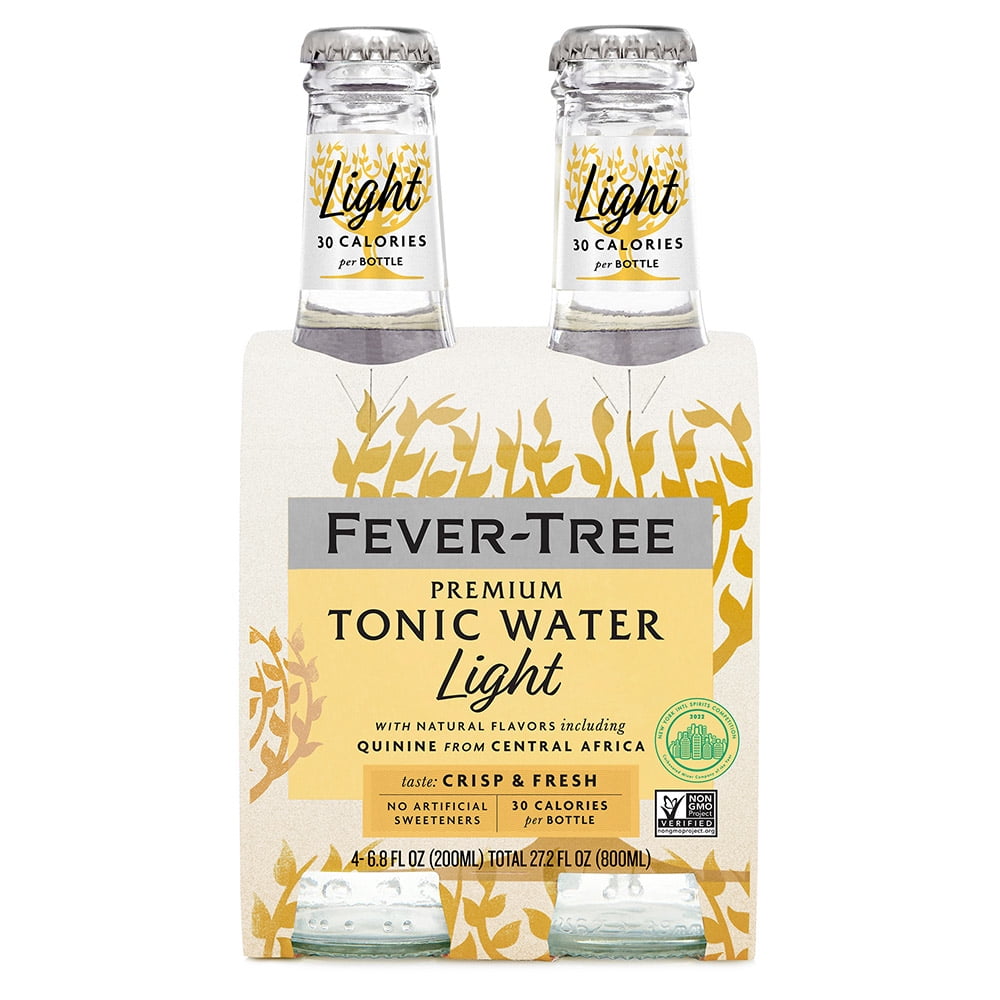 Conclusion The history associated with tonic water is usually a display of human ingenuity and flexibility. Coming from its medicinal roots to its existing status as a mixology staple, tonic water has constantly evolved to fulfill the needs and even preferences of consumers. For mixologists, background buffs, and beverage enthusiasts alike, typically the story of tonic water offers valuable insights in to the artwork and science of drink-making. By knowing its past, we all can better prefer the present and predict the future regarding tonic water. Whether or not you’re crafting a new classic Gin in addition to Tonic or experimenting with artisanal mixers, typically the rich history associated with tonic water provides depth and circumstance to each sip. For those desperate to explore further, consider getting started with a mixology category or visiting some sort of craft distillery. Engage with the local community of beverage lovers who share your current passion for excellent drinks. Together, all of us can raise a glass towards the continuous evolution of tonic water as well as the ageless joy of any well-crafted cocktail.